The Basilica dei Frari – Art, History & Visitor Guide
Eight centuries of art, history and devotion in the heart of San Polo.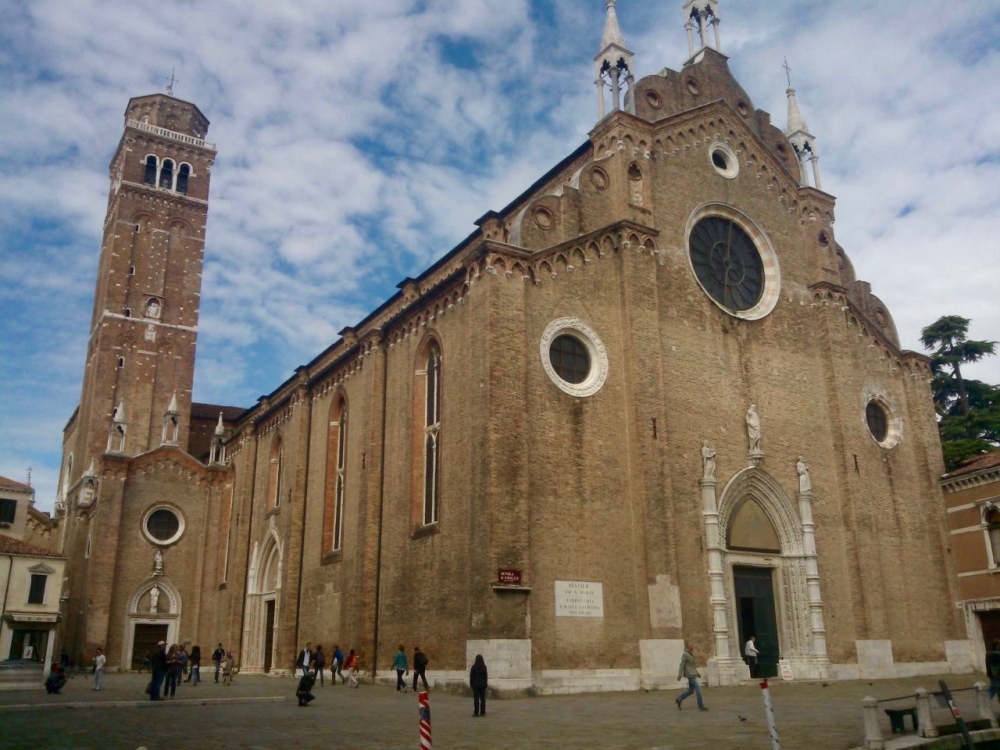

A church that stays with you
Venice is full of extraordinary churches. The Basilica di Santa Maria Gloriosa dei Frari is one of the ones that linger.
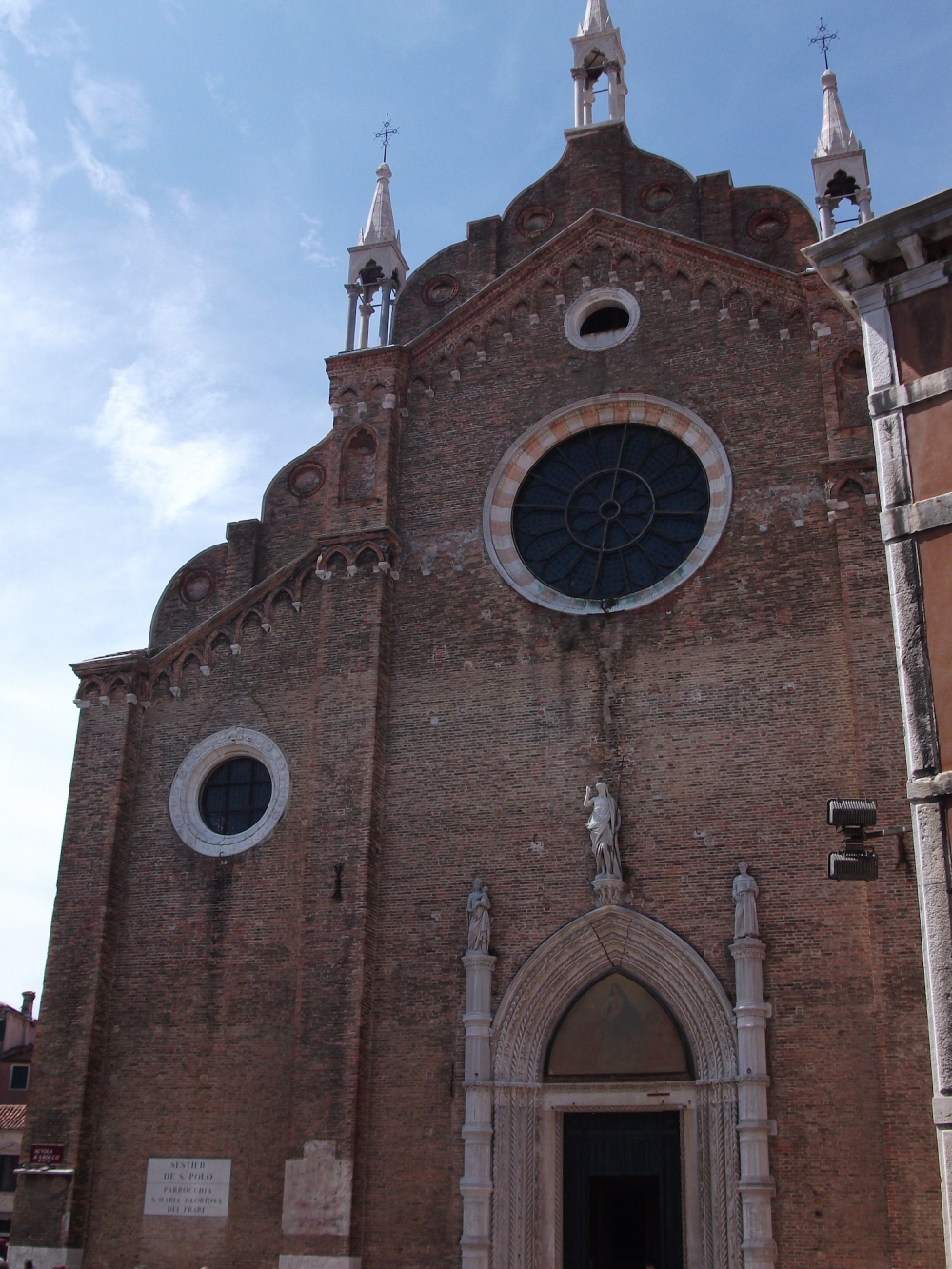
Not because of its size — though it is among the largest in the city. Not because of its façade — plain red brick, almost austere compared to the splendour of San Marco. But because of what it holds inside: a concentration of Venetian artistic masterworks that few churches anywhere in the world can match, gathered in a space that remains, even today, a living place of worship and Franciscan community.
The Franciscan friars received the land from Doge Jacopo Tiepolo in 1250. The basilica we see today dates from the mid-14th century — Venetian Gothic in its purest form, with three naves on a Latin cross plan and a brick bell tower from 1396, one of the tallest in Venice.
The works not to miss
The basilica functions as a museum in every sense — but it remains a church. That tension between the sacred and the sublime is part of what makes it singular.
Titian's Assumption
Above the high altar hangs Titian's Assumption of the Virgin, painted between 1516 and 1518. It is one of the most important works in Venetian painting — and in Italian art more broadly. The scale, the colour, the upward movement of the figure: seen from the far end of the central nave, it produces an effect that no reproduction truly captures.
The Pesaro Altarpiece
In the left nave, the Pesaro Altar holds another Titian — the Madonna di Ca' Pesaro (1519–1526). An asymmetrical and revolutionary composition for its time, commissioned by the powerful Pesaro family as a votive offering for a naval victory against the Ottoman fleet.
Donatello's St John the Baptist
In the sacristy, one of Donatello's rare Venetian works: the wooden statue of St John the Baptist (1438), its realism almost unsettling. A solitary presence that is worth the visit on its own.
The Monument to Titian
Titian is buried here — he died in Venice in 1576 during the great plague. His funerary monument, erected two centuries after his death, stands in the right nave.
The Monument to Doge Foscari
The imposing Gothic monument to Doge Francesco Foscari has been under restoration since June 2025. Worth bearing in mind if you were hoping to photograph or study it closely — conservation work is part of the ongoing life of a basilica like this one.
Practical information for your visit
Opening hours
Summer season (Easter Sunday – 31 October)
Monday–Friday: 9:00–19:30
Saturday: 9:00–18:00
Sunday and public holidays: 13:00–18:00
Winter season (1 November – Easter Sunday)
Monday–Saturday: 9:00–18:00
Sunday and public holidays: 13:00–18:00
Last entry 30 minutes before closing. The basilica is closed all day on Christmas, Easter and Ferragosto (15 August). Visits may also be suspended during weddings, funerals or concerts — we recommend checking the calendar on the official website before you go.
Tickets
Full price: € 8.00
Senior (over 65): € 5.00
Reduced (students aged 12–29): € 3.00
Free entry: children up to 11 years, people with disabilities and one companion, licensed tour guides, residents of the Municipality of Venice
Online booking is available with priority access and a 10% discount voucher for the basilica bookshop. Online prices: full € 9.50 / reduced € 3.50 / senior € 6.00.
Please note: The Basilica dei Frari does not participate in Venezia Unica, Chorus Pass, Venice Pass or any other external tourist circuit. Tickets must be purchased directly at the entrance or online through the official partner platforms.
Dress code
The basilica is an active place of worship. Appropriate dress is required: shoulders and knees must be covered.
Frari Night — An exclusive evening experience
Since April 2026, the basilica has been offering Frari Night: a limited-capacity artistic and spiritual evening visit, outside regular opening hours. A completely different way to experience these spaces — the silence, the artificial light on the artworks, the absence of the daytime crowds. One to watch if you are in Venice during the months it runs.
How to get to the Basilica dei Frari
The Basilica dei Frari is located in the San Polo sestiere, a few minutes' walk from the Rialto Bridge. The address is Campo dei Frari, San Polo 3072.
The nearest vaporetto stop is San Tomà (lines 1 and 2) on the Grand Canal — from there it is about a 5-minute walk following the signs. From San Marco, the walk through the calli takes around 20–25 minutes, passing through the Rialto.
Exploring San Polo around the Basilica
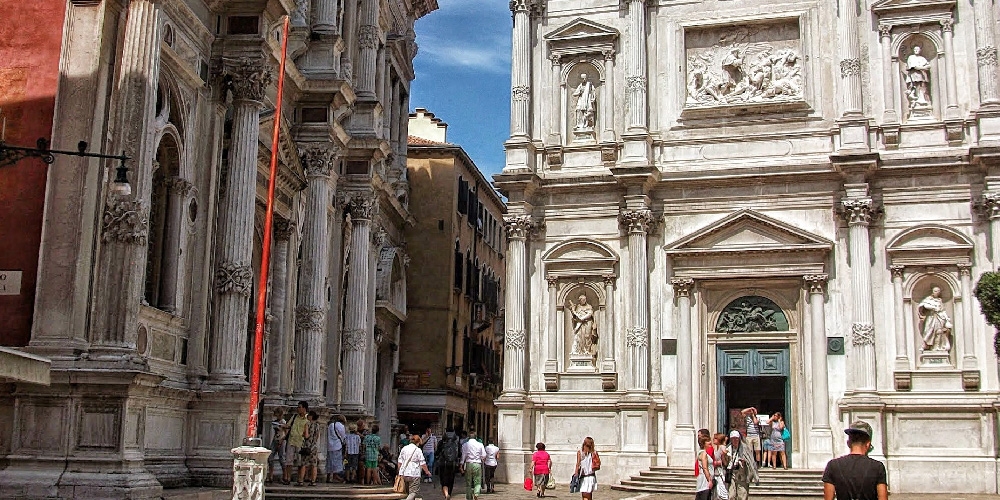
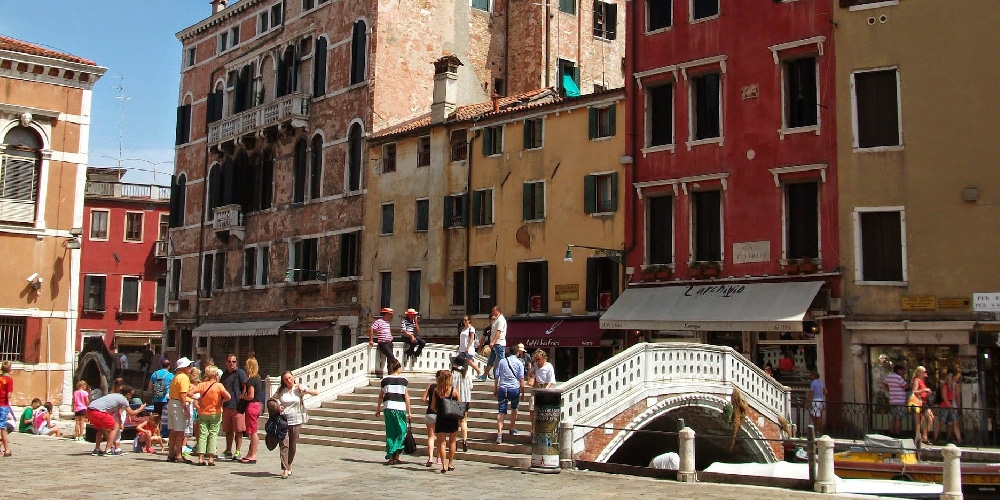
The Basilica dei Frari is not a standalone attraction — it sits at the heart of one of Venice's most authentic and least touristy sestieri. The San Polo neighbourhood is home to the Rialto Market, the Scuola Grande di San Rocco with Tintoretto's masterworks, Campo San Polo, and a network of calli that ranks among the most interesting in the city.
Discover the San Polo Sestiere →
Our San Polo Merchants private tour is designed exactly for this — a morning that begins at the Rialto, moves through the market and Campo San Polo, and ends inside the Basilica dei Frari, with a guide who knows the stories behind every corner.
San Polo Merchants — Private Walking Tour →
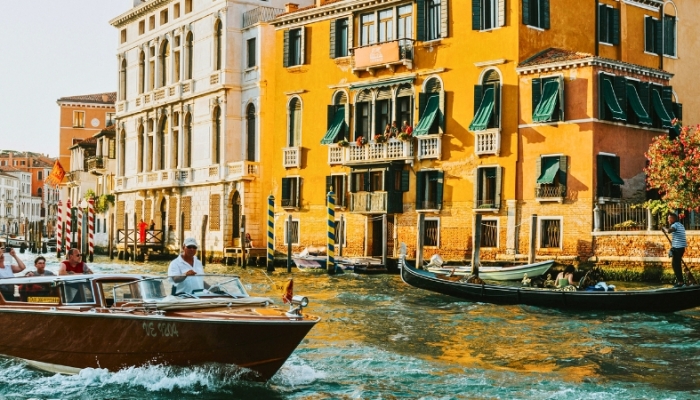
Experience the Magic of Venice by Private Boat

- Walking Tour of Venice
- Doge's Palace Guided Tour
- The Ducal Venice Tour
- The Absolute Venice
- The Inside Venice Tour
- The Byzantine Venice and Gondola ride
- Morning Walking tour & Gondola Ride
- Basilica Guided Tour & Gondola ride
- The Islands Tour
- A Classic Gondola Ride Tour
- Gondola Serenade Tour
- Wine Tasting & Dinner
- The Byzantine Venice
- Classic Venice Private Tour
- Private Walking Tour
- Gondola and Walking Private Tour
- Gondola Serenade Private Tour
- Gondola and Dinner Private Tour
- The Legends of Venice
- Private Grand Canal Boat Tour
- Private Islands Tour
- Wine Tasting & Secrets of the Venetian Lagoon
- Private Luxury Cruise on the Grand Canal with Aperitif
- Wine & Cicchetti – Discover Venetian Food Traditions