Feast of the Madonna della Salute in Venice
November 21st - Venetian religious tradition
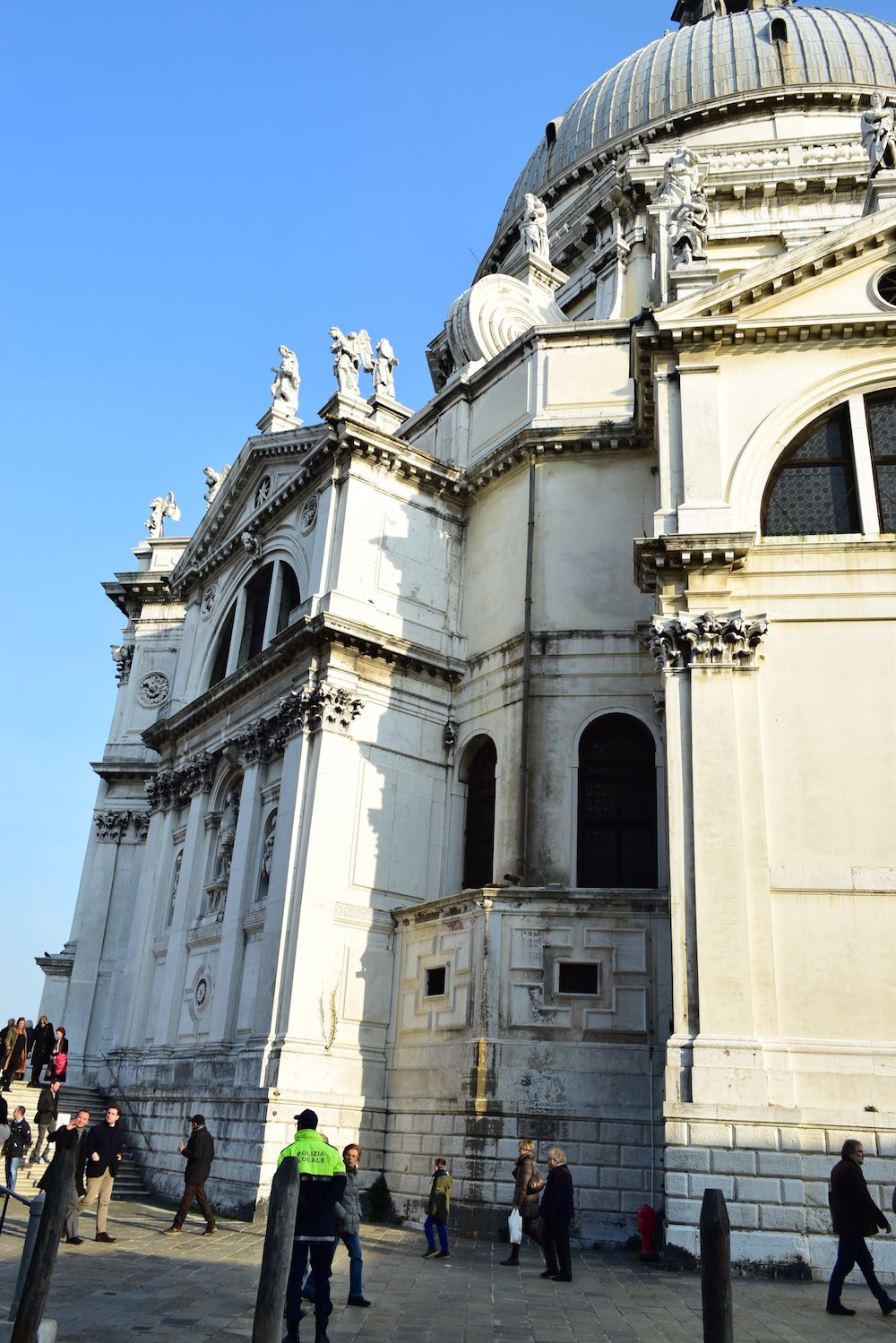


Every year on November 21, Venice renews one of the most moving, identity-defining and deeply rooted moments of its civic and religious history: the Feast of the Madonna della Salute. This is not simply a liturgical celebration — it is a collective vow that the city has upheld for almost four centuries, since 1631, when the Republic turned to the Virgin Mary and asked for her intercession to end the terrible plague that was devastating Venice.
The Basilica of Santa Maria della Salute — with its white dome dominating the entrance of the Grand Canal — is the visual symbol of this vow. Many know the church as a postcard image of Venice — but only few, unless they are truly Venetian, understand what it represents. The Feast of the Salute is both memory of a wound and celebration of life renewed. It is a collective act, a tradition that has never been interrupted, not even during the hardest years of modern history.
For many Venetians, this is their most authentic feast, even more intimate than the Festa del Redentore — because the Salute is not spectacular, there are no fireworks, no staged events: it is a pilgrimage, a slow procession towards a sacred place, carrying a candle. It is an ancient gesture, simple and direct, passed from one generation to the next.
The Plague of 1630–1631 and the vow of the Venetian Senate
Between 1630 and 1631 Venice was struck by one of the most violent plague waves in its history. Chronicles recount more than 80,000 deaths in the city alone (some estimates reach 100,000 in the lagoon territory). The trauma was enormous. The city was paralyzed: gondolas idle, silent calli, entire families wiped out in a matter of days.
In November 1630 the Senate of the Republic, led by Doge Nicolò Contarini, made a decision that would mark history: they vowed to the Virgin Mary that, if Venice was delivered from the plague, a great church would be built in her honor. The plague ceased the following year — and Venice kept its promise.
The Basilica of Santa Maria della Salute was then built, designed by Baldassare Longhena. Work began in 1631 and lasted for more than fifty years. The church was consecrated in 1687. Since then, every single year, Venetians return to the Salute on November 21 to give thanks to the Virgin Mary.
The procession of November 21: what happens today
On November 21, a votive bridge linking the two sides of the Grand Canal — from Santa Maria del Giglio — allowing worshippers to walk directly across the canal towards the Basilica. It is one of the most atmospheric moments of the year.
Thousands of people cross this bridge and enter the church holding a candle. The candle is then lit in front of the main altar as a sign of gratitude.
It is a simple gesture — but extremely powerful. No choreography, no spectacle. It is a continuous, spontaneous procession that lasts all day long. Entire families, elderly Venetians, children with parents, students, even Venetians who have moved elsewhere return to the city — for this day only.
The popular dimension: stalls, sweets, toys and… castradina
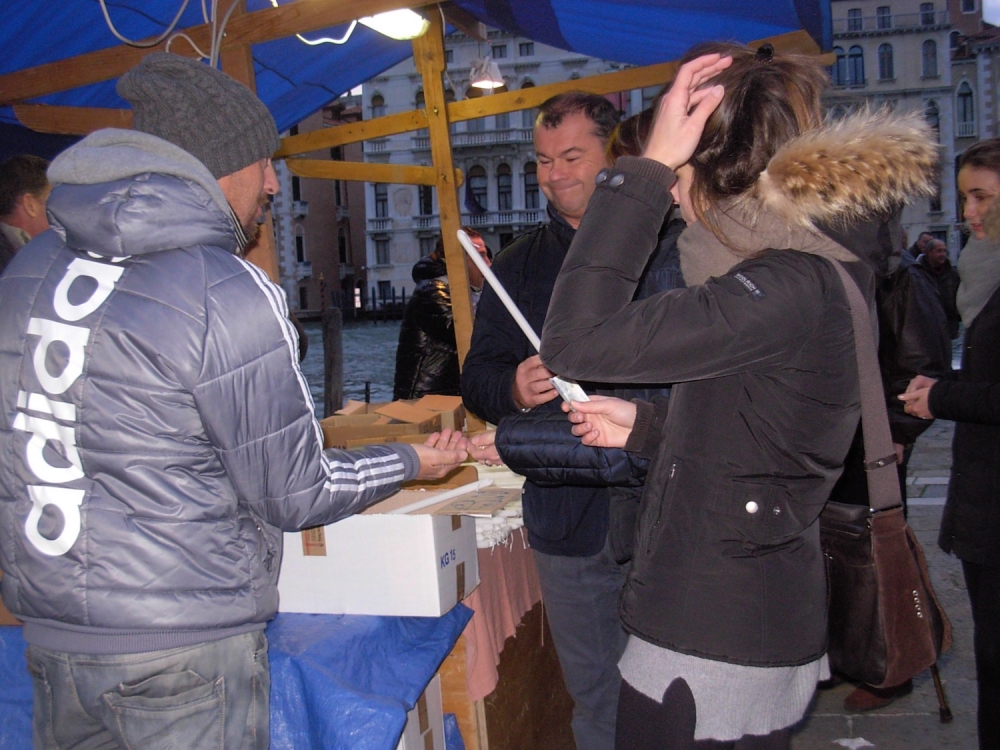
The Feast of the Salute is not only ritual — it is also a popular festivity. Outside the Basilica and throughout the surrounding streets there are historic stalls: sweets, sugar-coated almonds, traditional toys, little ceramic souvenirs and — above all — the candles that people buy and bring into church.
And then there is the dish of the day: castradina. A centuries-old, hearty dish made from salted and smoked mutton, slowly boiled — historically imported into the lagoon from Dalmatian shepherds. A festive, rustic, popular recipe that many Venetian families still cook at home on November 21.
Practical tips for those who want to take part
- Arrive early: early morning is the quietest; peak hours are generally between 10:00 and 15:00.
- Bring a candle: you can buy one near the Basilica, but Venetians often bring theirs from home.
- Wear comfortable shoes: the whole route is on foot — including pontoon flooring.
- Expect a slow-moving line: this is not “disorganization” — this is exactly how the feast works.
- If you are visiting with kids: morning hours are ideal.
Important to know: this feast is strongly felt, but it is not “loud” — it is intimate, respectful, solemn. Not like Carnival: here you do not come to “watch something” — you come to participate.
How to get there
The most direct way to reach the Basilica of the Salute is by vaporetto:
- Line 1 – stop Salute
- Line 2 – stops San Samuele or Accademia
During the days of the feast, if the floating bridge is installed, you can walk directly across the Grand Canal from San Moisè / Santa Maria del Giglio to the Zattere.
If you come from:
- Piazzale Roma → Line 1 towards Lido
- Santa Lucia Train Station → Line 1 towards Lido
- Lido → Line 1 towards Piazzale Roma
The Feast of the Madonna della Salute today
This feast is a rare example of an unbroken tradition that has never been turned into staged folklore. It has not been reinvented for tourism: the reason tourists attend is because this is a living ritual — not a reconstruction. The Salute is part of the collective memory of the city.
Despite mass tourism and all the modern changes Venice has gone through, this day remains distinctly Venetian. Even today, for many Venetians, going to the Salute is an identity gesture: they go not to “see something” but to be there.
And so, just as in 1631, also in 2025 — and in the future — Venice will continue to light candles before the Madonna. It is one of the very few traditions in Europe that crosses centuries without ever becoming folklore.
For anyone visiting Venice on November 21st: taking part in the Feast of the Madonna della Salute means coming into contact with the true heart of the city — not the postcard Venice, but the Venice that recognizes itself in its own history, rituals, faith and memory.
That is why this feast is unique.
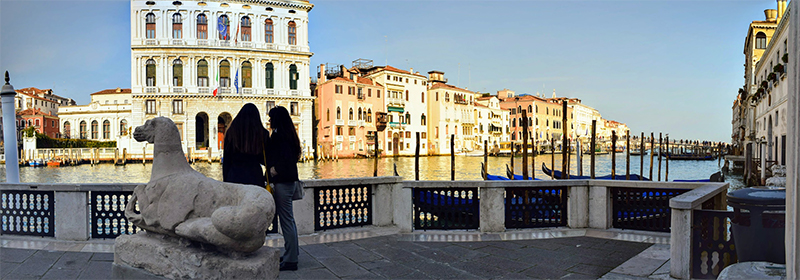
Ponte Votivo Santa Maria del Giglio
- Walking Tour of Venice
- Doge's Palace Guided Tour
- The Ducal Venice Tour
- The Absolute Venice
- The Inside Venice Tour
- The Byzantine Venice and Gondola ride
- Morning Walking tour & Gondola Ride
- Basilica Guided Tour & Gondola ride
- The Islands Tour
- A Classic Gondola Ride Tour
- Gondola Serenade Tour
- Wine Tasting & Dinner
- The Byzantine Venice
- Classic Venice Private Tour
- Private Walking Tour
- Gondola and Walking Private Tour
- Gondola Serenade Private Tour
- Gondola and Dinner Private Tour
- The Legends of Venice
- Private Grand Canal Boat Tour
- Private Islands Tour
- Wine Tasting & Secrets of the Venetian Lagoon
- Private Luxury Cruise on the Grand Canal with Aperitif
- Wine & Cicchetti – Discover Venetian Food Traditions