Venice Marathon: The Complete Guide to the Venice Marathon
Last Sunday of October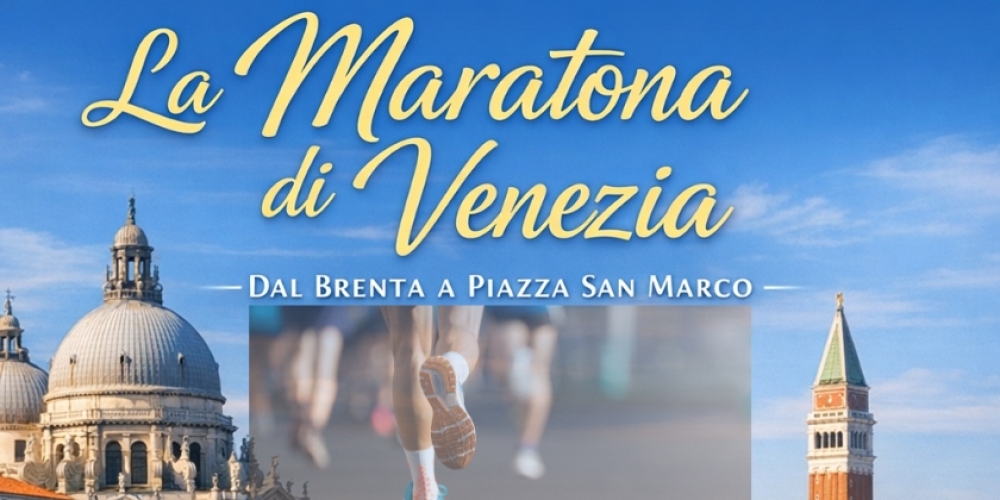

History, Course, Registration & Tips for Running Through the Venetian Lagoon
The Venice Marathon, known worldwide as the Venice Marathon, is one of the most scenic and unique running events in the world. More than just a race, it is a once-in-a-lifetime experience that blends sport, culture, and breathtaking landscapes, attracting thousands of runners each year to one of Italy’s most iconic destinations.
Running a marathon is always a personal challenge—but running in Venice is something entirely different. From the старт along the Riviera del Brenta to the unforgettable finish inside the historic center of Venice, every mile tells a story of Venetian villas, lagoon views, and world-famous landmarks.
What truly sets the Venice Marathon apart is its grand finale: entering the historic city on foot, crossing canals and bridges, and running over a temporary floating bridge built across the Grand Canal. It’s a moment unlike any other marathon in the world—where physical effort turns into pure emotion.
In this complete Venice Marathon guide, you’ll discover everything you need to know: from the history of the race and the official course to the difficulty level, how to register, and practical tips for both runners and spectators.
What Is the Venice Marathon?
The Venice Marathon is an official 26.2-mile (42.195 km) race held annually in late October. It is internationally recognized and attracts professional athletes, amateur runners, and endurance enthusiasts from around the world.
The event is known not only for its excellent organization, but also for its unique race course, which combines countryside, urban areas, and historic scenery. While considered accessible, the race can be challenging—especially in the final miles through Venice’s historic streets.
In addition to the full marathon, the event also includes:
- The Half Marathon (13.1 miles / 21 km)
- The 10K non-competitive race
- Side events and charity initiatives
This makes the Venice Marathon an inclusive event, welcoming not only experienced runners but also travelers who want to experience the atmosphere of race day in one of the most extraordinary settings in the world.
The History of the Venice Marathon
The first edition of the Venice Marathon took place in 1986, with the goal of creating an international sporting event that could showcase the Veneto region while promoting Venice as more than just a cultural destination—but also a sports destination.
From its earliest editions, the race attracted a growing number of participants, quickly becoming one of Italy’s most important marathons and a key event in the European running calendar.
One of the defining features of the Venice Marathon has always been its course, designed to connect the mainland to the historic city, offering a progressive experience that culminates in a spectacular finish inside Venice.
Over the years, the race has welcomed elite international athletes, helping to strengthen its reputation among Europe’s major marathons.
At the same time, the event has maintained a strong local identity, involving volunteers, local organizations, and communities throughout the region—making it a highly anticipated event not only for runners, but also for residents.
Today, the Venice Marathon is much more than a race: it is an experience that brings together sport, culture, and territory—offering a completely unique way to discover Venice.
Your Venice Marathon Experience Starts Here
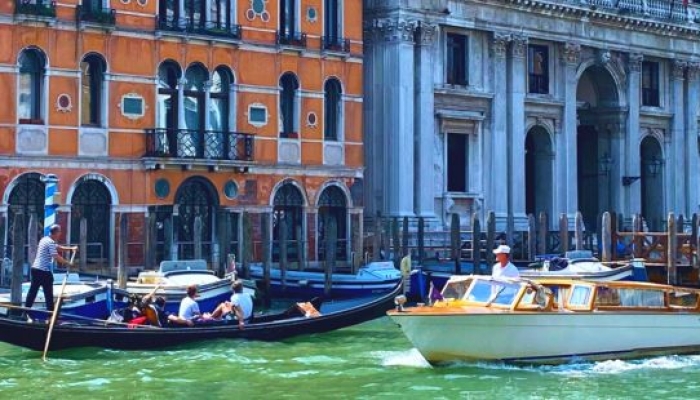
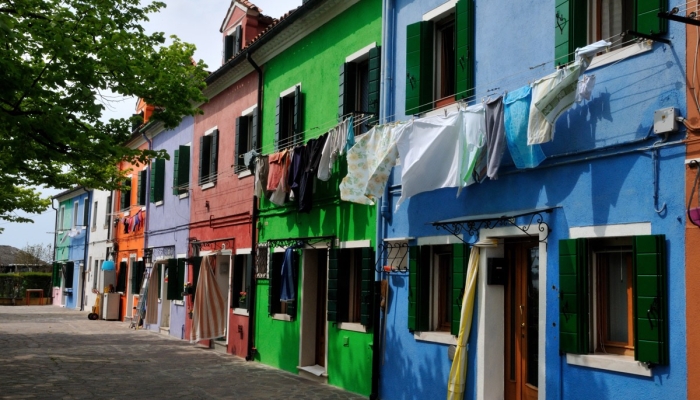
Make the most of your Venice Marathon trip with carefully curated experiences designed for comfort, discovery, and seamless travel.
Plan ahead and secure your experience early—availability is limited during marathon weekend.
The Venice Marathon Course
The Venice Marathon course is one of the key elements that makes this race truly unique on a global level. It’s not just a city race—it’s a journey that takes runners through completely different landscapes, from the Venetian countryside to the heart of historic Venice.
The race follows the official marathon distance of 26.2 miles (42.195 km) and connects the mainland to the lagoon, offering a variety of scenery that few marathons in the world can match.
The course can be divided into three main sections:
- The start along the Riviera del Brenta
- The urban stretch through Mestre and Marghera
- The iconic final miles in the historic center of Venice
Venice Marathon Course Map
The Start: Stra and the Riviera del Brenta
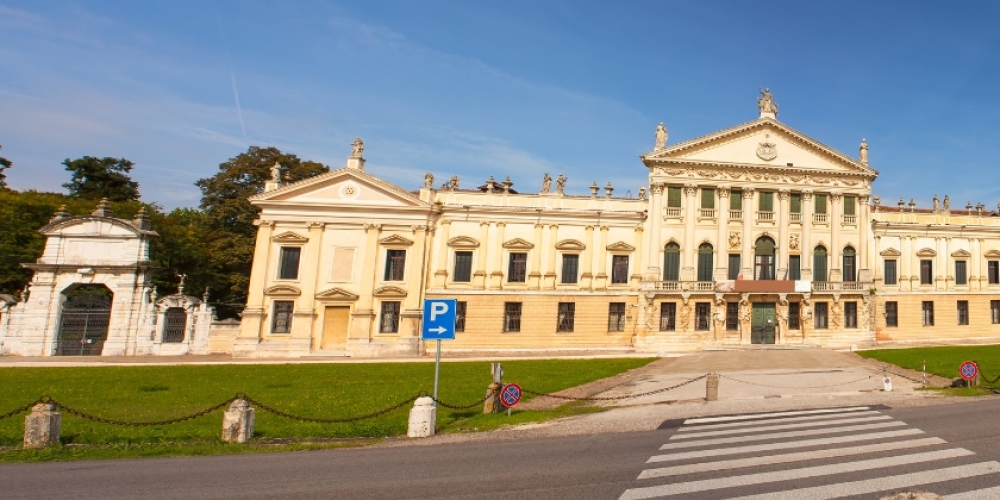
The marathon begins in Stra, a small town along the Riviera del Brenta, known for its elegant Venetian villas. The старт area is located near Villa Pisani, one of the most important historic residences in the region.
The first miles are among the most scenic and smooth of the entire course. Runners move along the Brenta River, surrounded by open landscapes that offer a calm and relaxed atmosphere, featuring:
- Historic villas set in the countryside
- Flat and fast roads
- A peaceful, less crowded environment
This early section is ideal for finding your rhythm without pressure. Many runners use this phase to settle into a steady pace and avoid going out too fast.
Tip: don’t be misled by how easy these miles feel—the real challenge comes later.
The Middle Section: Marghera and Mestre
After leaving the Riviera del Brenta, the course gradually enters the urban areas of Marghera and Mestre. The atmosphere shifts significantly: from quiet countryside to a more energetic city environment, with spectators and support stations along the way.
This section is crucial from a race strategy perspective. It’s where many runners begin to feel fatigue, especially between mile 16 and mile 22 (km 25–35)—a critical phase in any marathon.
Key features of this stretch:
- Wide, runnable roads
- Increased crowd support
- Regular hydration and aid stations
This is where smart pacing matters most. Maintaining a steady effort, staying hydrated, and conserving energy are essential for a strong finish.
Crossing the Ponte della Libertà
One of the most symbolic moments of the Venice Marathon is crossing the Ponte della Libertà, the long bridge that connects the mainland to Venice.
This stretch represents both a physical and mental transition. You leave the modern city behind and enter the unique world of the Venetian lagoon.
The view is unforgettable: Venice slowly appears on the horizon, surrounded by water, creating one of the most emotional moments of the race.
Entering Venice: A One-of-a-Kind Finish
The final miles of the Venice Marathon are what truly make it legendary.
Running into the historic center of Venice is an experience unlike any other marathon. The course winds through narrow streets, waterfront paths, and bridges, turning the race into a unique urban adventure.
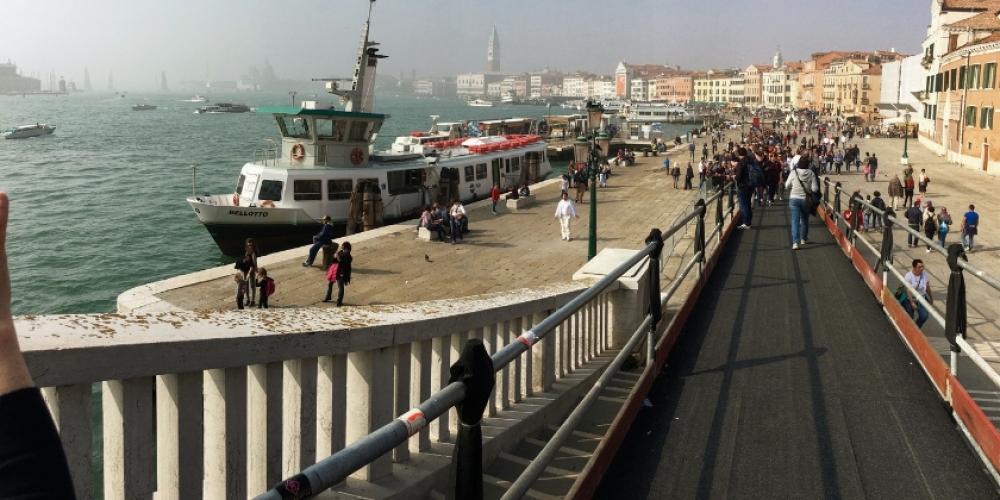
One of the most iconic features is the temporary floating bridge across the Grand Canal, built специально for race day. Running over water, surrounded by the city’s historic skyline, is an unforgettable moment.
In the final miles, runners face:
- A series of bridges (around 14)
- Frequent turns and pace changes
- A technical and historic urban environment
Fatigue is at its peak here—but so is the emotion.
The finish line is located in one of the most spectacular areas of Venice, with crowds cheering runners in an incredible atmosphere.
A Course That Blends Sport and Beauty
The Venice Marathon is unlike any other race. Its course perfectly balances athletic performance with visual beauty.
From the quiet countryside of the Veneto region to the complexity of Venice’s historic streets, every section offers a different perspective.
For this reason, running the Venice Marathon is more than just completing a race—it’s a full experience that goes beyond competition.
Venice Marathon Photos
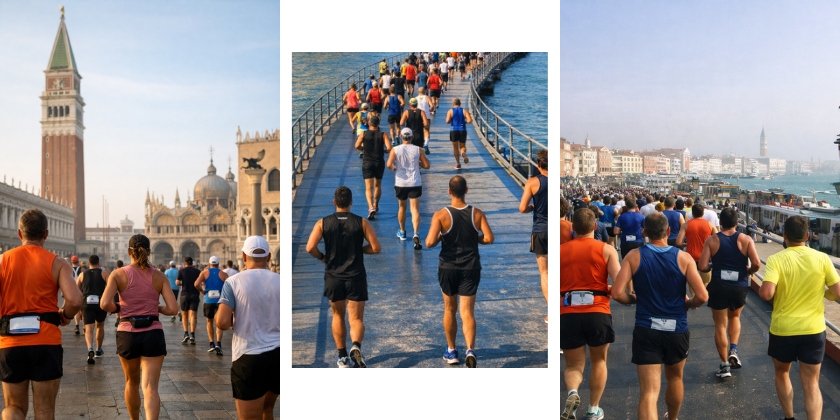
It’s a journey through history, architecture, and landscape—ending with one of the most memorable finishes in the world.
How Difficult Is the Venice Marathon?
The Venice Marathon is often considered an accessible race, but it should not be underestimated. While the course is mostly flat—making it suitable for many runners—it includes specific challenges that can significantly impact performance.
The difficulty is not just about the distance—common to all marathons—but rather about pacing strategy and, most importantly, the final miles inside Venice’s historic center.
A Course That Feels Easy at First
For the first 18–20 miles (around 30 km), the Venice Marathon follows a relatively fast and steady course. The roads are wide, flat, and ideal for maintaining a consistent pace.
This often leads runners to make a common mistake: starting too fast.
Warning: going out too aggressively in the first half of the race can seriously affect your performance in the final miles.
The Critical Phase: Mile 16 to Mile 22
Like any marathon, the most challenging phase occurs between mile 16 and mile 22 (km 25–35). This is when your body begins to deplete its energy reserves and fatigue becomes more noticeable.
In the Venice Marathon, this section takes place as runners move through Mestre and Marghera—an important point for race management.
During this phase, it’s essential to:
- Maintain a steady, controlled pace
- Stay properly hydrated
- Avoid sudden pace changes
Runners who manage their energy well at this stage are much more likely to handle the final stretch successfully.
The Real Challenge: The Final Miles in Venice
The last miles of the Venice Marathon are what make it truly unique—and more demanding.
Once you enter Venice, the race changes completely. Smooth asphalt gives way to:
- Stone pavements
- Narrow turns
- Technical sections
- About 14 bridges
The bridges are the main challenge. Even though ramps are installed to help runners cross, they still require constant rhythm changes and place extra strain on already fatigued muscles.
Additionally, the uneven surface makes running more technical compared to earlier sections of the course.
This is where the race is decided.
Runners who saved energy can truly enjoy this unforgettable stretch. Those who pushed too hard early will find it much more difficult.
How to Prepare for the Venice Marathon
Preparing for the Venice Marathon requires a balanced training approach. It’s not just about distance—you should also simulate race-specific conditions.
Recommended Training
- Progressive long runs
- Training on uneven surfaces or cobblestones
- Strength training for legs and core
- Workouts with pace variations
If possible, include short hill repeats to simulate the effort required for crossing bridges.
Race Strategy
A solid race strategy is key to finishing strong.
Key tips:
- Start at a controlled pace in the first 12–13 miles
- Stay consistent through mile 20
- Save energy for the final section in Venice
- Manage fueling and hydration carefully
Remember: the Venice Marathon is not won in the early miles—it’s won in the final stretch.
Who Is This Marathon For?
The Venice Marathon is suitable for different types of runners:
- Experienced runners looking for a scenic race
- Well-prepared amateur runners
- Anyone seeking a unique marathon experience
It may not be the fastest course for a personal best, but it is certainly one of the most memorable.
Running in Venice: A One-of-a-Kind Experience
The challenge of the Venice Marathon is not only physical—it’s emotional.
Running through canals, bridges, and historic landmarks, with crowds cheering along the route, creates an atmosphere unlike any other race in the world.
The final miles combine fatigue and beauty in a way that few marathons can offer.
And it is precisely this balance between athletic challenge and visual spectacle that makes the Venice Marathon one of the most unique races you will ever run.
How to Register for the Venice Marathon
Joining the Venice Marathon is relatively straightforward, but it requires attention to deadlines and specific requirements. As an international race, participant numbers are limited, and spots tend to sell out quickly.
Registration is completed online through the official event website.
Requirements to Participate
To register for the Venice Marathon, runners must meet a few key requirements:
- Minimum age: 20 years old (for the full marathon)
- Valid medical certificate for competitive sports
- Acceptance of the official race regulations
International runners must provide a medical certificate that complies with Italian regulations or an equivalent recognized document.
Tip: Always check the latest requirements on the official Venice Marathon website before registering.
Registration Fees
Entry fees vary depending on when you register. Typically, pricing is divided into several tiers:
- Early bird (lowest price)
- Standard registration
- Last-minute (highest price)
Registering early not only helps you save money but also guarantees your spot in the race.
What’s Included with Registration
Your Venice Marathon registration typically includes:
- Race bib number
- Timing chip
- Medical assistance along the course
- Aid stations and hydration points
- Finisher medal
- Official race kit
Included services may vary slightly from year to year.
Bib Pickup and Race Kit
Bib pickup takes place in the days leading up to the race at the Venice Marathon Village, usually located in Venice or Mestre.
To collect your race materials, you’ll need:
- Valid ID
- Registration confirmation
- Medical certificate (if required in original form)
Important: Race bibs cannot be collected on race day.
Logistics and Transportation
One of the most unique aspects of the Venice Marathon is its logistics.
Since the race starts in Stra and finishes in Venice, organizers provide transportation services for participants, including:
- Shuttle buses to the старт area
- Personal bag transport
- Dedicated athlete services
Planning ahead is essential, especially considering traffic limitations and the unique layout of Venice.
Essential Tips for Running the Venice Marathon
Successfully running the Venice Marathon requires not only physical preparation but also smart planning.
- Book your accommodation well in advance
- Choose a convenient location near the finish area (Venice or Mestre)
- Arrive at least one day before race day
- Check weather conditions
- Plan your nutrition and hydration strategy
A balance between preparation and logistics is key to enjoying the experience at its best.
Venice Marathon 2026
The next edition of the Venice Marathon is scheduled for 2026, following its traditional autumn timing.
Expected date: Sunday, October 25, 2026
The course will follow its classic layout, starting in Stra and finishing in the historic center of Venice.
As every year, the event will also include:
- Half Marathon
- 10K non-competitive race
- Side events
- Charity initiatives
Important: Dates, registration details, and requirements may change, so always verify the latest updates on the official Venice Marathon website.
This section will be updated annually with official information for each new edition.
Why Run the Venice Marathon
The Venice Marathon is not just a race—it’s an experience.
Running along the Riviera del Brenta, crossing the lagoon, and finishing in the heart of Venice is something very few races in the world can offer.
It’s a physical challenge, but also a journey through landscapes, history, and culture.
An experience that stays with you long after the finish line.
FAQ – Venice Marathon
When is the Venice Marathon held?
The Venice Marathon usually takes place in late October, with the 2026 edition expected on Sunday, October 25, 2026. Always check the official website for the latest confirmed date.
Where does the Venice Marathon start and finish?
The race starts in Stra, along the Riviera del Brenta, and finishes in the historic center of Venice, making it one of the most scenic marathon routes in Italy.
How difficult is the Venice Marathon?
The Venice Marathon is considered mostly flat and accessible, but the final miles in Venice are more demanding due to bridges, turns, and uneven stone pavement.
How do I register for the Venice Marathon?
Registration is completed online through the official Venice Marathon website. Runners must meet age and medical certificate requirements before participating.
Do international runners need a medical certificate?
Yes, international runners usually need a medical certificate that complies with Italian race regulations or an equivalent accepted document. Always verify current requirements before registering.
What makes the Venice Marathon unique?
The Venice Marathon is famous for its spectacular finish into historic Venice, including the temporary floating bridge over the Grand Canal and the rare opportunity to run through the city itself.
Is the Venice Marathon a good race for first-time marathon runners?
It can be a good option for well-prepared first-time marathoners because the course is mostly flat, but the final section in Venice requires smart pacing and good energy management.
- Walking Tour of Venice
- Doge's Palace Guided Tour
- The Ducal Venice Tour
- The Absolute Venice
- The Inside Venice Tour
- The Byzantine Venice and Gondola ride
- Morning Walking tour & Gondola Ride
- Basilica Guided Tour & Gondola ride
- The Islands Tour
- A Classic Gondola Ride Tour
- Gondola Serenade Tour
- Wine Tasting & Dinner
- The Byzantine Venice
- Classic Venice Private Tour
- Private Walking Tour
- Gondola and Walking Private Tour
- Gondola Serenade Private Tour
- Gondola and Dinner Private Tour
- The Legends of Venice
- Private Grand Canal Boat Tour
- Private Islands Tour
- Wine Tasting & Secrets of the Venetian Lagoon
- Private Luxury Cruise on the Grand Canal with Aperitif
- Wine & Cicchetti – Discover Venetian Food Traditions